30 Years on the cliff: one man and a temple
"The 马鞍山新闻网公告hardest days are when the fog rolls in. You can't see anything, and the loneliness feels overwhelming." He is often the only person at the temple, sometimes going days without uttering a single word.
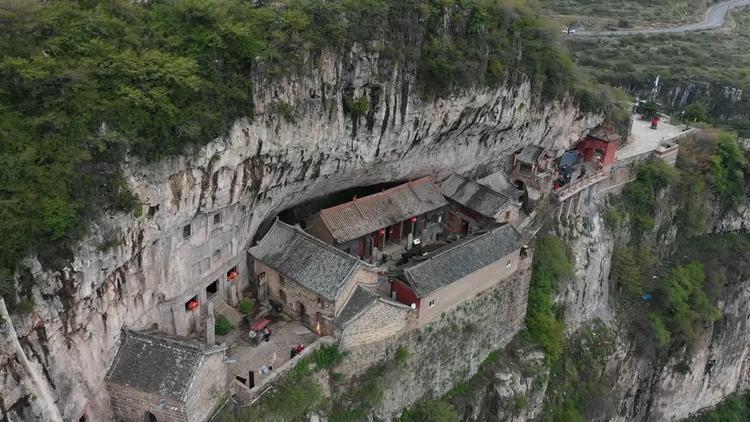
Perched on a cliff more than 1,500 meters above sea level, the Jindeng Temple Grottoes are one of China's national key cultural heritage sites. Carved during the Northern Qi Dynasty and expanded in the Ming Dynasty, the statues have stood silently for centuries.
Winter nights are pitch-black and bitterly cold. On the cliff, only a single room emits a faint glow. It belongs to Feng Kaiping, 66, who has guarded Jindeng Temple for over 30 years.
Feng is a heritage custodian at the temple. Started the job as a temporary worker in 1995, he became wholeheartedly devoted to it. Over time, the work became more than a livelihood. "It's a national treasure," Feng said. "It belongs to the country and is part of history. I have to take good care of it. It's my job."
Each day, he patrols the caves, checks the relics, and cleans the temple. When visitors arrive, he guides them through the stories carved in stone.
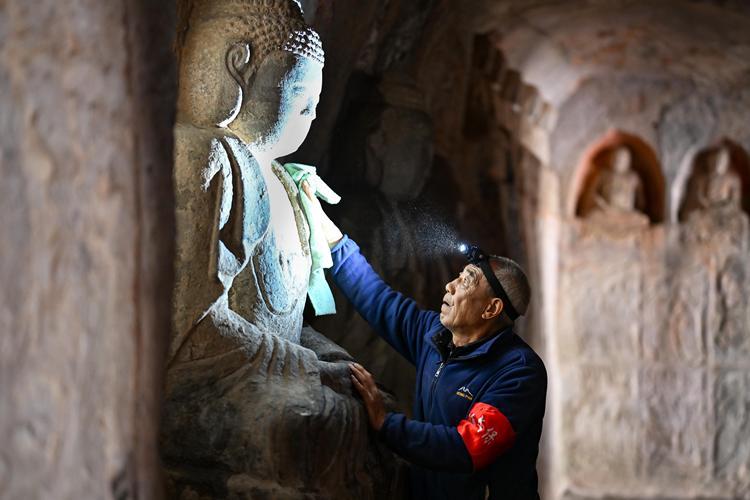
For Feng, there are no holidays. He stays at the temple during almost every Chinese New Year, returning home only once every two or three years. What once took nearly seven hours to get home now takes about five -- still including a two-and-a-half-hour trek through the mountains. His wife visits every few months, bringing supply and a haircut.
Faced with a choice between family and the temple, Feng has long made his decision -- at a cost.
He has three children, all raised by his wife on her own. When he left to work at the temple, his youngest son was only one year old. In 2005, his wife and daughter were injured in a bus crash, but Feng knew nothing about it until they had recovered. He says he feels guilty. "But someone has to stay," and he became that someone.
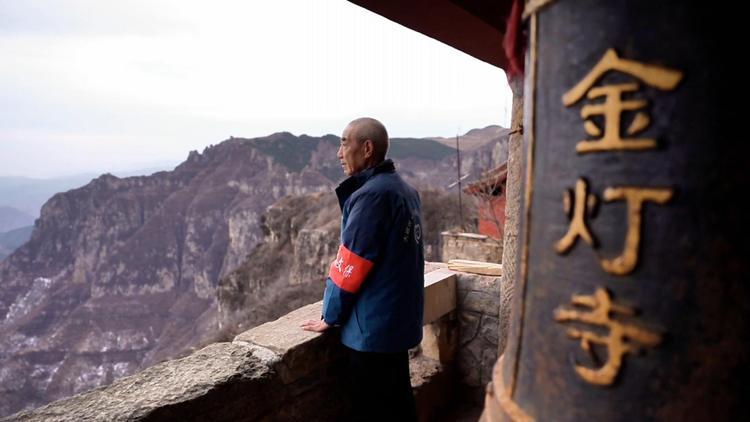
When Feng first arrived here, there was no electricity, no running water and no road leading up the mountain. At night, only candlelight and the static of a radio kept him company.
Tourists did not show up until 2007, when the local government built a narrow road up to the temple.
"When winter comes, it is just me here," Feng said. He is often the only person at the temple, sometimes going days without uttering a single word.
But it was never just about loneliness. In the 1990s, cultural relic theft was common in remote mountainous areas. Feng survived four robbery attempts -- tied up, stabbed and drugged -- yet he never left.
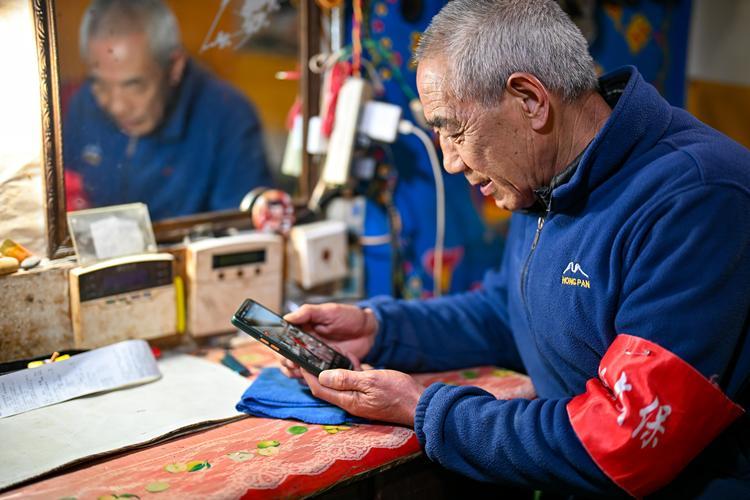
Today, surveillance cameras are in place and the preservation team has expanded to six members. Though retired, Feng chose to stay on. Connected to the internet, he spends quiet nights watching videos of his granddaughter -- his warmest comfort in the mountain's silence.
Across China, there were 5,058 national key cultural heritage sites as of 2022. Day after day, custodians like Feng stand watch -- guarding not only the relics carved in stone, but the quiet history entrusted to them.
本站声明:以上部分图文来自网络,如涉及侵权请联系平台删除